
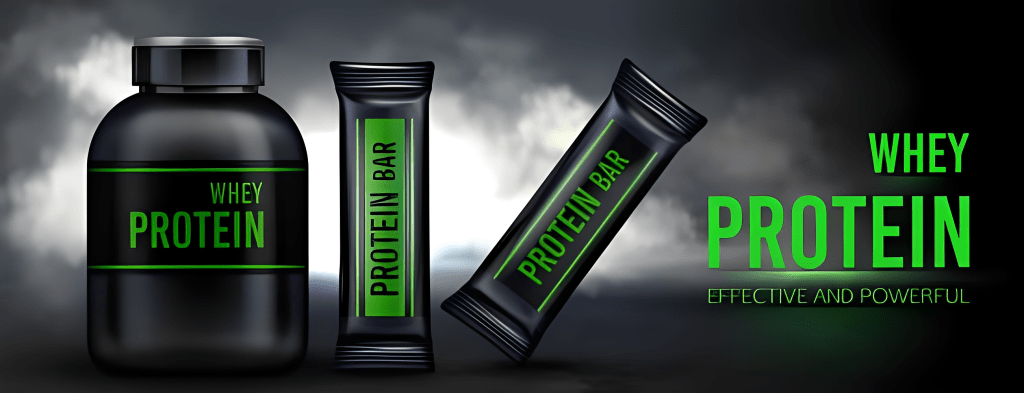
Beyond Whey: Exploring the Wide World of Protein Supplements to Fuel Your Fitness Journey
Protein, the building block of our muscles, organs, and tissues, plays a crucial role in overall health. For fitness enthusiasts and athletes, optimizing protein intake is key to boosting muscle growth, enhancing recovery, and maximizing performance. And that’s where the world of protein supplements comes in, offering a convenient and often concentrated way to meet your protein needs. But with a dizzying array of options – whey, casein, plant-based, blends – the question arises: which one is right for you? Fear not, protein enthusiasts! This comprehensive guide delves into the protein supplement universe, cracking the code for optimal fitness through informed choices.
Whey: The King of Quick Absorption
Derived from whey, the liquid portion of milk separated during cheese production, whey protein is the undisputed champion of fast absorption. This makes it ideal for post-workout consumption, as it rapidly delivers amino acids to rebuild muscle tissue and fuel recovery.
Whey comes in different forms:
Whey Concentrate: Contains around 70-80% protein, along with some lactose and carbohydrates. Suitable for most individuals but consider lower lactose options if sensitive.
Whey Isolate: A more refined version with 80-90% protein content and minimal lactose and carbs. Ideal for lactose-intolerant individuals or those seeking a purer protein source.
Whey Hydrolysate: Pre-digested whey protein for ultra-fast absorption, perfect for individuals with sensitive stomachs or those needing an immediate protein boost.
Casein: The Slow and Steady Champion
Unlike whey’s speedy delivery, casein, the predominant protein in milk, releases amino acids slowly and steadily over several hours. This prolonged release makes it ideal for preventing muscle breakdown throughout the day or overnight, particularly valuable for those aiming for muscle preservation or engaging in long training sessions.
Casein also comes in different forms:
Micellar Casein: The purest form, offering a slow and sustained release of amino acids along with beneficial nutrients like calcium.
Hydrolyzed Casein: Faster-absorbing than micellar casein but still slower than whey, making it a good option for in-between meals or as an alternative to nighttime whey.
Beyond Whey and Casein: Exploring the Protein Spectrum
The protein supplement world extends far beyond whey and casein. For those seeking plant-based alternatives, options abound:
Soy Protein: A complete protein source rich in all essential amino acids, making it ideal for vegans and vegetarians.
Pea Protein: Highly digestible and hypoallergenic, pea protein is a good choice for individuals with sensitivities to soy or dairy.
Brown Rice Protein: Another hypoallergenic option, brown rice protein is easily digested but does not contain all essential amino acids, requiring combination with other plant-based proteins.
Hemp Protein: Rich in essential fatty acids and fiber, hemp protein offers a well-rounded nutritional profile but has a lower protein content compared to other options.
Blending It Up: Combining Protein Sources for Enhanced Benefits
Protein blends combine various protein sources like whey, casein, and plant-based options to leverage their individual strengths. For example, a blend containing whey and casein can offer both fast and sustained amino acid release, making it ideal for building and maintaining muscle mass. Choosing the right blend depends on your goals and preferences.
Navigating the Protein Maze: Choosing the Right Supplement for You
With so many options available, selecting the right protein supplement can be overwhelming. Here are some key factors to consider:
Your Goals: Are you focused on building muscle, maintaining fitness, or simply increasing protein intake? Align your choice with your specific goals.
Dietary Restrictions: If you have allergies or sensitivities, choose options like lactose-free whey or plant-based proteins.
Budget: Prices vary depending on the type and quality of the protein. Set a realistic budget and prioritize quality over just cost.
Taste and Mixability: Choose a protein powder you enjoy the taste and texture of, and that mixes well with water or your preferred beverage.
Brand Reputation: Opt for reputable brands with good manufacturing practices and transparent labels.
Natural Sources: Boosting Protein Intake Beyond Supplements
While protein supplements offer a convenient way to increase intake, don’t neglect the power of natural protein sources. Focus on incorporating protein-rich foods like:
Animal Proteins: Lean meats, seafood, poultry, eggs, and dairy products.
Plant-Based Proteins: Soybeans, lentils, beans, nuts, seeds, tofu, tempeh, and quinoa.
Whole Grains: Oats, brown rice, quinoa, and amaranth offer protein along with fiber.
Beyond the Myths: Debunking Common Protein Supplement Misconceptions
Myth: Protein supplements automatically lead to muscle gain.
Fact: While protein is crucial for muscle growth, it’s just one piece of the puzzle. Adequate calories, proper training, and sufficient sleep are essential for optimizing muscle building.
Myth: Protein supplements are dangerous for your kidneys.
Fact: While excessive protein intake can put stress on the kidneys in individuals with pre-existing kidney conditions, research indicates moderate protein intake from both food and supplements does not pose a risk for healthy individuals.
Myth: Protein supplements cause bloating and gas.
Fact: Some individuals may experience digestive discomfort due to lactose in whey protein or certain additives in supplements. Opting for lactose-free options or plant-based protein can alleviate these issues.
Myth: More protein is always better.
Fact: Exceeding your protein needs provides no additional benefits and can be detrimental to your health. Aim for 0.8-1 gram of protein per kilogram of body weight per day, adjusting based on your activity level and goals.
Myth: All protein supplements are created equal.
Fact: Pay attention to the quality of your protein source. Choose reputable brands with transparent labels and avoid those with added sugars, artificial sweeteners, or unnecessary fillers.
Myth: Protein supplements make you fat.
Fact: Protein is actually less calorie-dense than fats and carbohydrates. Studies show high-protein diets can aid in weight management by increasing satiety and reducing overall calorie intake.
Myth: You need tons of protein for muscle growth.
Fact: The recommended daily protein intake for adults is 0.8 grams per kilogram of body weight. Athletes may require slightly more, around 1-1.6 grams per kilogram. Excessive protein intake beyond recommended levels does not offer additional benefits for muscle growth and can put unnecessary strain on the body.
The Bottom Line: Powering Your Fitness Journey with Protein Smarts
Protein supplements, when used strategically and wisely, can be valuable tools for optimizing your fitness journey. Whether you’re a seasoned athlete, a gym newbie, or simply seeking to improve your overall health, understanding your protein needs and choosing the right supplement can unlock a world of benefits. Remember, protein is just one piece of the puzzle – prioritize a balanced diet, consistent training, and adequate rest to fuel your body and achieve your fitness goals. So, embrace the power of protein, but do so with knowledge and moderation, and embark on a journey towards a stronger, healthier, and more vibrant you.
Optimizing Protein Intake for Diverse Needs:
Here are some specific considerations for tailoring protein intake to different needs:
Women’s Health: Protein plays a crucial role in maintaining bone health and muscle mass, particularly important for women as they age. Focus on lean protein sources, eggs, yogurt, and plant-based options.
Athletes: High-intensity training demands increased protein intake for muscle repair and recovery. Whey protein and protein blends can be beneficial post-workout, while casein can support muscle maintenance throughout the day.
Vegans and Vegetarians: Plant-based protein sources like soy, lentils, beans, nuts, and seeds need to be combined strategically to ensure complete protein intake. Consider protein supplements to fill any gaps.
Weight Loss: Protein can help manage weight by enhancing satiety and reducing calorie intake. Choose lean protein sources and avoid high-calorie options.
Beyond the Blog: Resources for Your Protein Journey
To further empower your protein choices, here are some valuable resources:
- National Institutes of Health Office of Dietary Supplements: https://ods.od.nih.gov/
- International Society of Sports Nutrition: https://www.sportsnutritionsociety.org/
- Academy of Nutrition and Dietetics: https://www.eatrightpro.org/
Remember, knowledge is power! By educating yourself about protein supplements, their benefits, and how to choose the right one for you, you can confidently navigate the protein maze and fuel your journey towards a stronger, healthier, and more successful you.


 VITAMINPRO
Leave a comment