
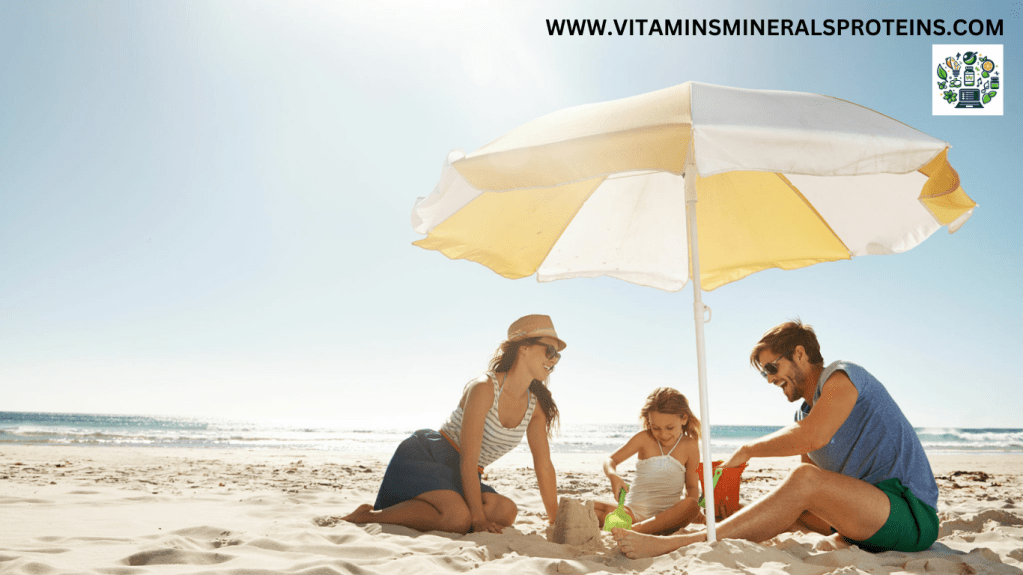
Imagine it: sunlight dances on your skin, triggering a magical transformation. A humble molecule morphs into a mighty hormone, vitamin D, ready to send ripples of well-being throughout your body.
In the age of chronic stress and a lingering pandemic, prioritizing our health has never been more crucial. While we can meticulously pack our plates with colorful vegetables and chug down antioxidant-rich smoothies, one essential nutrient often gets overlooked: vitamin D. This “sunshine vitamin” plays a starring role in numerous bodily functions, from building strong bones to bolstering our immune defences. Unfortunately, vitamin D deficiency is alarmingly common, affecting nearly 1 billion people worldwide.
The good news? Nature itself provides a potent source of vitamin D: the sun! But before you bask in its glory like a sun-worshipping lizard, let’s delve into the safe and effective ways to optimize your vitamin D levels naturally.
Sunshine: Your Body’s Vitamin D Factory
When our skin dances with the sun’s UVB rays, a magical transformation occurs. The cholesterol within our skin cells undergoes a photochemical process, churning out precious vitamin D3.
But several factors influence this sun-kissed alchemy:
Time of day: Midday, when the sun reigns supreme, offers the most potent punch of UVB rays. So, consider planning your outdoor adventures around noon, especially during winter months.
Skin exposure: More exposed skin equals more vitamin D production. However, remember to strike a balance between soaking up the sun and protecting yourself from harmful UV damage.
Skin tone: Melanin, the pigment that gives our skin its hue, also acts as a natural sunscreen. This means individuals with darker skin tones require longer sun exposure to synthesize the same amount of vitamin D as those with lighter skin.
Geographic location: Latitude matters! The closer you are to the equator, the stronger the UVB rays and the less time you need to spend outdoors. Conversely, those residing in higher latitudes have to contend with weaker rays and shorter daylight hours, making adequate vitamin D production a year-round challenge.
Beyond Sunshine: Natural Food Sources for a Vitamin D Boost
While basking in the sun is an ideal way to boost your vitamin D levels, it’s not the only option. Mother Nature has sprinkled this sunshine nutrient in various food sources, albeit in smaller doses. Here are some delicious ways to add a vitamin D punch to your diet:
Fatty fish: Salmon, tuna, mackerel, and sardines are powerhouses of vitamin D, along with omega-3 fatty acids, making them a double whammy for your health.
Egg yolks: One sunny-side-up egg boasts nearly 20% of your daily vitamin D needs.
Fortified foods: Milk, yogurt, and some plant-based milks are often fortified with vitamin D, making them convenient sources for this essential nutrient.
Mushrooms: Certain types of mushrooms, like portobello and maitake, can synthesize vitamin D when exposed to sunlight. So, think of them as tiny sun-worshippers on your plate!
Supplementation: Filling the Gaps when the Sun Can’t Reach
Despite of our best efforts, sometimes sunshine and dietary sources fall short. This is where vitamin D supplements step in. While they shouldn’t be a substitute for healthy sun exposure and a balanced diet for geting vitamin D, supplements can be a valuable tool for individuals with low vitamin D levels, particularly those at high risk of deficiency, such as older adults, people with darker skin tones, and those with limited sun exposure due to health conditions or geographical location.
There are two main types of vitamin D supplements:
Vitamin D2 (ergocalciferol): Derived from plants, it’s less potent than vitamin D3 and may be less well-absorbed by the body.
Vitamin D3 (cholecalciferol): This form is naturally produced by our skin, it’s generally considered the more effective supplement option.
Remember, before embarking on any supplement regimen, consult your healthcare provider to determine the appropriate dosage and form of vitamin D for your individual needs.
Debunking Vitamin D Myths: Separating Fact from Fiction
With the growing popularity of vitamin D, various myths and misconceptions have cropped up. Let’s shed some light on the most common ones:
Myth: Spending all day in the sun is the best way to optimize vitamin D levels.
Fact: Overexposure to the sun can significantly increase your risk of skin cancer and premature aging. Stick to moderate sun exposure and prioritize sun protection.
Myth: Everyone needs vitamin D supplementation.
Fact: If you get adequate sun exposure and consume a balanced diet rich in vitamin D sources, supplementation may not be necessary. However, consulting your doctor is crucial to determine your individual needs.
Myth: Vitamin D is just for bone health.
Fact: Vitamin D plays a vital role in various bodily functions, including immune system function and cell growth.
Soaking Up More than Sunshine: Lifestyle Tweaks for Optimal Vitamin D Levels
Beyond sun exposure, diet, and supplementation, several lifestyle adjustments can optimize your vitamin D levels and unlock its radiant health benefits:
Embrace the Outdoors: Trade your Netflix marathon for a nature walk. Opt for outdoor workouts when possible. Even brief bursts of sunshine can contribute to vitamin D synthesis.
Befriend Vitamin D-Rich Activities: Take up hobbies like gardening, cycling, or hiking to enjoy the sun while engaging in physical activity. Consider a rooftop lunch break or open-air coffee dates instead of being cooped up indoors.
Optimize Sleep for Better Absorption: Studies suggest that proper sleep duration enhances vitamin D absorption. Aim for 7-8 hours of quality sleep each night to create a supportive environment for this precious nutrient.
Manage Stress for Enhanced Utilization: Long-term stress can make it harder for your body to use vitamin D. Try relaxing activities like meditation, yoga, or spending time outdoors to create a more peaceful state of mind.
Boost Gut Health for Improved Absorption: Having a healthy gut is vital for absorbing vitamin D. Choose foods that are good for your gut, such as fermented veggies, yogurt with live cultures, and fruits and veggies rich in prebiotics.
Remember Seasonal Shifts: Adjust your vitamin D intake and sun exposure strategies throughout the year. During winter months, consider spending more time outdoors when the sun is at its peak, consuming additional dietary sources, and potentially discussing supplementation with your doctor.
Listen to Your Body: While optimizing vitamin D levels is crucial, pay attention to your body’s signals. Excessive sun exposure can lead to sunburns and exacerbate certain skin conditions. If you experience any adverse effects from sun exposure or supplementation, consult your doctor immediately.
Vitamin D: A Powerful Ally for Radiant Health
By embracing the sun safely, nourishing your body with vitamin D-rich foods, and incorporating supportive lifestyle habits, you can unlock the sunshine vitamin’s remarkable potential. From a robust immune system and strong bones to radiant skin and a sharper mind, vitamin D acts as a silent conductor, orchestrating a symphony of well-being within your body. So, step into the sunshine, nurture your inner sun, and witness the transformative power of this essential nutrient as you illuminate your path to radiant health and vibrant living.
Remember, optimizing vitamin D levels is a journey, not a destination. By combining safe sun exposure, nutritious dietary choices, and healthy lifestyle practices, you can build a strong foundation for optimal health and vibrant living. So, step into the sunshine, embrace the power of vitamin D, and embark on a journey towards a healthier, happier you.
References:
- National Institutes of Health Office of Dietary Supplements: https://ods.od.nih.gov/
- World Health Organization: https://www.who.int/tools/elena/interventions/vitamind-infants
- Vitamin D Council: https://yippy.green/topic/vitamin-d
 VITAMINPRO
Leave a comment