
How to Use the Nutrition Facts Label to Boost Your Protein and Vitamin Intake
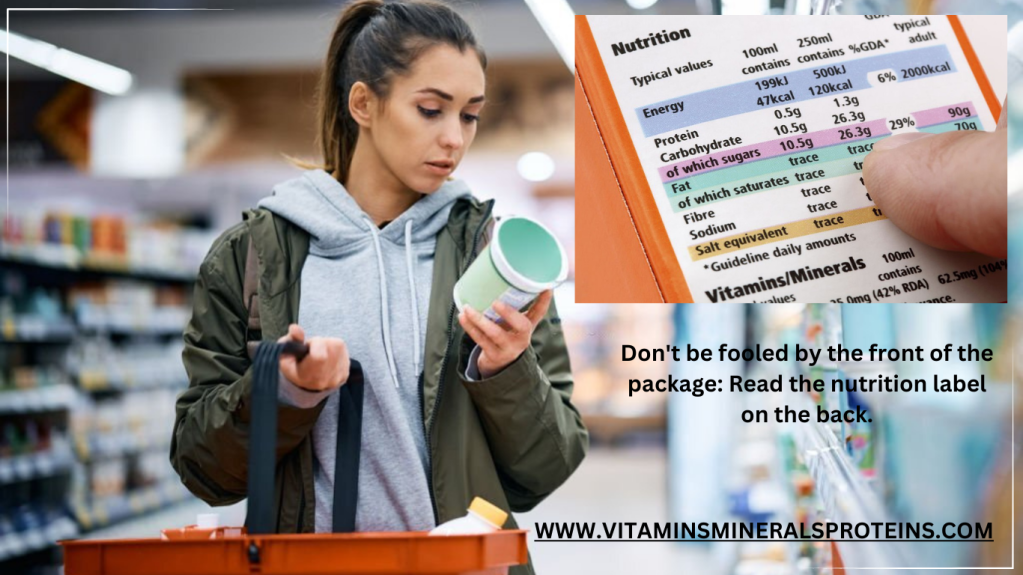
The nutrition facts label is a handy tool that can help you make healthy food choices. It provides information about the calories, nutrients, and ingredients in a food product. But do you know how to read and use the label effectively? In this blog post, we will explain how to understand and use the nutrition facts label to boost your protein and vitamin intake.
What are protein and vitamins?
Protein and vitamins are two essential nutrients that your body needs for various functions. Protein is a macronutrient that helps build and repair muscles, bones, skin, hair, and other tissues. It also helps make enzymes, hormones, antibodies, and neurotransmitters. Protein can also provide energy when carbohydrates and fats are not available.
Vitamins are micronutrients that help your body perform various chemical reactions. They are involved in metabolism, immunity, growth, development, vision, and more. There are 13 vitamins that your body needs: vitamin A, vitamin C, vitamin D, vitamin E, vitamin K, and eight B vitamins (thiamin, riboflavin, niacin, pantothenic acid, biotin, vitamin B6, folate, and vitamin B12).
How much protein and vitamins do you need?
The amount of protein and vitamins you need depends on your age, sex, weight, activity level, and health status. However, here are some general guidelines:
– The Recommended Dietary Allowance (RDA) for protein is 0.8 grams per kilogram of body weight per day for adults. This means that an average adult who weighs 70 kg (154 lbs) needs about 56 grams of protein per day. However, some people may need more or less protein depending on their goals and needs. For example, athletes, pregnant women, older adults, and people with certain medical conditions may need more protein than the RDA.
– The RDA for vitamins varies depending on the type of vitamin and the age group. For example, the RDA for vitamin A is 900 micrograms (mcg) per day for men and 700 mcg per day for women aged 19 to 50 years. The RDA for vitamin C is 90 milligrams (mg) per day for men and 75 mg per day for women aged 19 to 50 years. You can find the RDA for each vitamin on the nutrition facts label or on the website of the National Institutes of Health.
How to read the nutrition facts label?
The nutrition facts label has several sections that provide different types of information. Here are some tips on how to read each section:
– Serving size and servings per container: This section tells you how much of the food is considered one serving and how many servings are in the package. For example, if the serving size is one cup and the servings per container is four, then the package contains four cups of food. The serving size is based on the amount of food that people typically eat at one time. However, you may eat more or less than one serving depending on your appetite and needs. The serving size also affects the amount of calories and nutrients in the food. For example, if you eat two servings of a food that has 200 calories per serving, then you consume 400 calories from that food.
– Calories: This section tells you how many calories are in one serving of the food. Calories are a measure of energy that your body gets from food. Your body uses calories for various functions such as breathing, moving, thinking, and more.
The number of calories you need per day depends on your age, sex, weight, activity level, and health goals. For example, an average adult who wants to maintain their weight needs about 2000 calories per day. However, some people may need more or less calories depending on their situation.
– Percent Daily Value (%DV): This section tells you how much of each nutrient in one serving of the food contributes to your daily intake. The %DV is based on a 2000-calorie diet for adults and children aged four years and older. However, your daily needs may be higher or lower depending on your calorie needs. The %DV helps you compare foods and choose foods that are high in nutrients and low in calories.
As a general rule, choose foods that have a high %DV (20% or more) for nutrients that you want to get more of, such as protein, vitamins, and minerals. Choose foods that have a low %DV (5% or less) for nutrients that you want to limit, such as saturated fat, trans fat, cholesterol, sodium, and added sugars.
– Nutrients: This section lists the amount and %DV of certain nutrients in one serving of the food. The nutrients that are required to be listed on the label are total fat, saturated fat, trans fat, cholesterol, sodium, total carbohydrate, dietary fiber, total sugars, added sugars, protein, vitamin D, calcium, iron, and potassium.
Some foods may also list other nutrients that are voluntary, such as monounsaturated fat, polyunsaturated fat, soluble fiber, insoluble fiber, vitamin A, vitamin C, vitamin E, vitamin K, thiamin, riboflavin, niacin, vitamin B6, folate, vitamin B12, biotin, pantothenic acid, phosphorus, magnesium, zinc, selenium, copper, manganese, chromium, molybdenum, chloride, and fluoride.
The amount of each nutrient is expressed in grams (g), milligrams (mg), micrograms (mcg), or International Units (IU).
The %DV of each nutrient is expressed as a percentage of the daily value for that nutrient.
– Ingredients: This section lists the ingredients in the food in descending order by weight. This means that the ingredient that weighs the most is listed first and the ingredient that weighs the least is listed last. The ingredients list can help you identify the source of certain nutrients and avoid ingredients that you may be allergic or sensitive to.
For example, if you want to avoid gluten, you can look for ingredients such as wheat, barley, rye, oats,or malt. If you want to avoid dairy, you can look for ingredients such as milk, cheese, yogurt, butter, or cream. Some foods may also have allergen statements at the end of the ingredients list that indicate if they contain any of the major food allergens, such as milk, eggs, fish, shellfish, tree nuts, peanuts, wheat, or soybeans.
– Footnote: This section provides additional information about the %DV and explains what it means.
Now that you know how to read the nutrition facts label, here are some tips on how to use it to boost your protein and vitamin intake:
– Compare foods: Use the %DV to compare different foods and choose foods that have a higher %DV for protein and vitamins. For example, if you want to choose a cereal that has more protein and vitamin B12, you can compare two cereals that have similar serving sizes and calories and see which one has a higher %DV for these nutrients. You can also use online tools such as Bing’s Food Comparison Tool to compare foods easily.
– Choose lean protein sources: Protein can come from animal or plant sources. However, some animal sources of protein may also contain high amounts of saturated fat and cholesterol, which can increase your risk of heart disease. Therefore, choose lean protein sources such as skinless poultry, fish, eggs, low-fat dairy products, or lean cuts of meat. You can also choose plant sources of protein such as beans, lentils, tofu, nuts, seeds, or soy products. These foods may also provide other benefits such as fiber, antioxidants, and phytochemicals.
– Eat a variety of foods: Different foods provide different types and amounts of vitamins. Therefore, eat a variety of foods from all food groups to get all the vitamins you need. For example, eat fruits and vegetables of different colors to get different types of vitamin A and vitamin C. Eat whole grains to get B vitamins and vitamin E. Eat dairy products or fortified foods to get vitamin D and calcium. Eat seafood or fortified foods to get vitamin B12 and iodine.
You can also use online tools. such as Bing’s Food Explorer Tool to find foods that are rich in certain vitamins.
– Check for fortification: Some foods may be fortified with extra vitamins
to enhance their nutritional value. For example, some cereals, breads, milks, juices, or snacks may be fortified with vitamins A, C, D, E, K, or B complex. However, be aware that fortification does not necessarily make a food healthy. Some fortified foods may also contain high amounts of calories fat sodium or added sugars. Therefore, check the entire nutrition facts label and choose fortified foods wisely.
So, boost your protein and vitamin intake by putting your knowledge of the nutrition facts label into practice. Start making informed choices today! Here are some actionable steps you can take:
- Take a few minutes during your next grocery shopping trip to carefully read and compare the nutrition facts labels of different food products.
- Incorporate lean protein sources and a variety of nutrient-rich foods into your meals and snacks.
- Experiment with new recipes that focus on incorporating foods high in protein and vitamins.
- Keep track of your daily protein and vitamin intake using a food diary or a mobile app to ensure you’re meeting your nutritional goals.
- If necessary, consult with a healthcare professional or registered dietitian for personalized guidance on meeting your protein and vitamin needs.
Remember, small changes in your food choices can make a big difference in your overall health and well-being. Take control of your nutrition and use the nutrition facts label as a powerful tool on your journey to a healthier you!
Now, it’s time to put your knowledge into action. Start using the nutrition facts label in order to boost your protein and vitamin intake today!
Note: It’s always recommended to consult with a healthcare professional or registered dietitian before making any significant changes to your diet or starting any supplementation.

 VITAMINPRO
Leave a reply to Keto Queen Recipes Cancel reply