
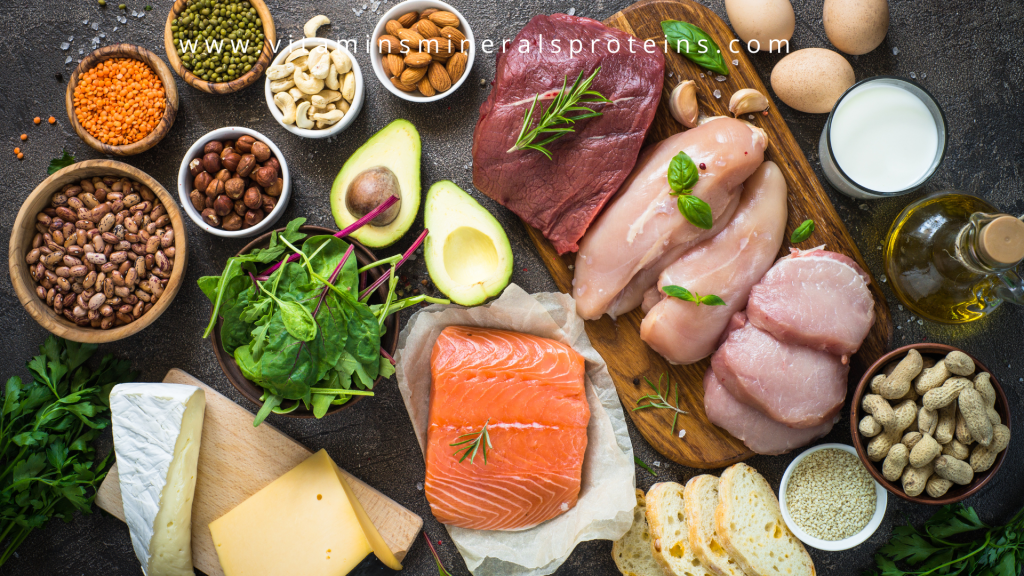
The importance of protein in the diet and examples of protein rich diets.
In the realm of nutrition, few nutrients are as widely discussed and essential as protein. Protein is often hailed as the building block of life, and for good reason. This macronutrient plays a fundamental role in maintaining health, vitality, and overall well-being. In this comprehensive guide, we will delve deep into the world of protein, explaining its importance in the diet, providing examples of protein-rich foods, and offering practical tips and advice for ensuring you get enough of this vital nutrient.The importance of protein in the diet and examples of protein rich diet.
Understanding Protein’s Function
The Importance for Biology
Along with carbohydrates and lipids, protein is one of the three macronutrients that your body needs in significant proportions. Protein has numerous functions throughout the body, as opposed to carbohydrates and lipids, which are largely used as energy sources. Here are some of its principal functions:
1. Cellular Repair and Structure
The components of cells, tissues, and organs are proteins. Protein is a crucial basic element in the body’s ongoing cell replacement and repair process. The body’s capacity to mend and rejuvenate is impaired without enough protein.
2. Chemical Reactions and Enzymes
Proteins called enzymes catalyze biochemical processes in the body. Everything from digestion and metabolism to immune system and DNA replication is affected by these processes.
3. Signaling and Hormones
Many hormones are proteins, including insulin and growth hormone. They control a variety of physiological functions, such as growth, metabolism, and the body’s reaction to stress.
4. Immune System Function
Antibodies, which are critical components of the immune system, are proteins. They help your body identify and combat infections, viruses, and other foreign invaders.
5. Transportation and Keeping
Proteins aid in the movement of vital chemicals throughout the body, including oxygen (through hemoglobin) and fats (via lipoproteins). Important molecules like iron (ferritin) and oxygen (myoglobin) are also stored in them.
How Important Amino Acids Are
Amino acids, which are smaller building blocks, make up proteins. A protein’s structure and function are determined by the unique sequences of its 20 distinct amino acids. Nine of these 20 amino acids are regarded as essential because the body cannot generate them on its own and hence requires dietary intake. These are the necessary amino acids:
Histidine
Isoleucine
Leucine
Lysine
Methionine
Phenylalanine
Threonine
Tryptophan
Valine
To maintain optimal health, it’s crucial to consume a variety of protein sources to ensure you get all these essential amino acids.
Calculating Your Protein Needs
General Recommendations
The amount of protein you need depends on various factors, including your age, sex, activity level, and overall health. General guidelines suggest the following daily protein intake based on different life stages:
Infants (0-6 months): Approximately 10 grams per day.
Children (7 months to 4 years): About 16 grams per day.
Children (5-18 years): 0.95 grams of protein per kilogram of body weight.
Adults (19 years and older): 0.8 grams of protein per kilogram of body weight.
However, these are just baseline recommendations. Many experts believe that higher protein intake can be beneficial, especially for those who are physically active, athletes, or older adults looking to maintain muscle mass.
Special Considerations
Athletes and Active Individuals
Athletes and individuals engaged in regular vigorous exercise may require more protein to support muscle repair and growth. The recommended range for this group typically falls between 1.2 to 2.2 grams of protein per kilogram of body weight.
Older people
Sarcopenia, a natural loss of muscle mass with advancing age, occurs. Combining a sufficient protein intake with resistance training will help prevent this loss and preserve strength and functionality.
Women Who Are Expectant or Nursing
Women who are pregnant or nursing need more protein to support fetal growth and milk production. They should speak with medical experts to ascertain their unique demands.
It’s important to note that individual protein needs can vary widely, so consulting with a healthcare professional or registered dietitian is advisable for personalized recommendations.
Protein Sources: What to Eat
Now that we’ve established the importance of protein and how much you might need, let’s explore some excellent sources of dietary protein. A balanced diet should include a variety of protein-rich foods to ensure you get a wide range of amino acids and other essential nutrients.
1. Non-Vegetarian Protein
First, lean meats, Pork, poultry, and lean cuts of cattle are great sources of high-quality protein. Additionally, they are a good source of vital nutrients like iron, zinc, and B vitamins.
2. Seafood and Fish
Salmon, tuna, and trout are all excellent sources of omega-3 fatty acids, which are also a fantastic source of protein. In general, seafood is low in saturated fat and a healthy meal option.
3. Dairy Products
Calcium and protein are both found in milk, yogurt, and cheese. Choose Greek or low-fat yogurt to up your protein intake without packing on the calories.
4. Eggs
Eggs are one of the most affordable and versatile sources of protein. They are also rich in choline, a nutrient important for brain health.
5. Plant-Based Protein
1. Legumes
Beans, lentils, and chickpeas are excellent sources of plant-based protein. They are also high in fiber, making them a great choice for digestive health.
2. Tofu and Tempeh
Soy-based products like tofu and tempeh are packed with protein and are suitable for various dishes, including stir-fries and sandwiches.
3. Nuts and Seeds
Almonds, peanuts, chia seeds, and hemp seeds are all protein-rich options that also provide healthy fats and essential minerals.
4. Grains
Whole grains like quinoa, bulgur, and farro contain more protein than refined grains. They also offer valuable dietary fiber.
Combining Plant-Based Proteins
While plant-based proteins are abundant, some may lack certain essential amino acids. Combining different sources, such as beans and rice or hummus and whole wheat pita, can help ensure you receive a complete amino acid profile.
Protein Quality: Animal vs. Plant Sources
Protein quality is assessed based on its amino acid composition and digestibility. Animal-based proteins are often considered higher quality because they provide all essential amino acids in the right proportions and are more easily digestible. However, plant-based diets can also meet protein needs when various sources are combined strategically.
Research shows that well-planned vegetarian and vegan diets can provide all necessary nutrients, including protein, when attention is paid to food selection and variety.
Management of Weight and Protein
For numerous reasons, protein is essential in the maintenance of weight:
1. Controlling Appetite Protein-rich foods are known to increase feelings of satiety and fullness. Your hunger can be managed and your overall calorie intake can be decreased by including protein in your meals.
2. Increased Metabolism
Compared to processing carbohydrates and lipids, protein requires more calories from the body. Thermic effect of food (TEF) is the name for this phenomenon. Calorie expenditure may rise with a higher TEF.
3. Preservation of Muscle
You want to lose fat, not muscle, while trying to lose weight. A sufficient protein intake encourages fat loss while maintaining lean muscle mass.
Protein and Health
Beyond its role in basic bodily functions, protein has a significant impact on overall health:
Heart Health
Studies suggest that replacing some dietary carbohydrates with protein, especially plant-based sources, can improve blood lipid profiles and reduce the risk of heart disease.
Blood Sugar Control
Including protein in your meals can help stabilize blood sugar levels and reduce the glycemic response of carbohydrate-rich foods.
Bone Health
Protein is essential for bone health because it provides the building blocks for bone formation. However, excessive protein intake from animal sources may leach calcium from bones, so balance is key.
Immune Function
Adequate protein intake is crucial for a robust immune system. Protein deficiency can impair the production of antibodies and immune cells.
Protein and Exercise
For those engaged in regular physical activity or sports, protein is even more critical. Here’s how protein relates to exercise:
Muscle Repair and Growth
Exercise, especially resistance training, creates micro-tears in muscle fibers. Protein is necessary for repairing and building these muscles, making it a cornerstone for athletes and fitness enthusiasts.
Timing Matters
Consuming protein within a few hours after a workout, known as the “anabolic window,” is believed to optimize muscle protein synthesis. Options like protein shakes or a balanced meal with protein and carbohydrates can help post-workout recovery.
Common Myths About Protein
As with any popular dietary topic, misconceptions about protein abound. Let’s dispel some common myths:
1. Myth: High-Protein Diets Harm the Kidneys
Fact: High-protein diets may stress the kidneys in individuals with pre-existing kidney disease. However, there’s no evidence that they cause kidney damage in healthy people.
2. Myth: All Proteins Are Equal
Fact: Not all proteins are created equal. Animal-based proteins typically contain all essential amino acids, while some plant-based proteins may lack a few. Combining plant sources can address this.
3. Myth: Protein Causes Weight Gain
Fact: While excessive calorie intake from any macronutrient can lead to weight gain, protein itself is not inherently fattening. In fact, it can aid in weight loss by promoting satiety and muscle preservation.
4. Myth: You Can Never Have Too Much Protein
Fact: Overconsumption of protein, especially from animal sources, may have health risks, including kidney strain and bone health issues. Balance is essential.
Practical Tips for Increasing Protein Intake
If you’re looking to boost your protein intake, here are some practical tips:
1. Plan Balanced Meals
Incorporate protein-rich foods into each meal. For breakfast, consider adding Greek yogurt or eggs. At lunch, opt for a chicken or tofu salad. For dinner, grill fish or lean meat.
2. Choose Lean Cuts
When selecting meat, choose lean cuts to reduce saturated fat intake. Skinless poultry, lean beef cuts, and fish are good options.
3. Snack Smart
Opt for protein-rich snacks like nuts, Greek yogurt, or cottage cheese to curb midday cravings.
4. Embrace Plant Proteins
Experiment with plant-based proteins like beans, lentils, and tofu. They can be the basis of delicious and nutritious meals.
5. Read Labels
Pay attention to food labels to gauge protein content. Greek yogurt, for example, contains significantly more protein than regular yogurt.
6. Use Protein Supplements Wisely
Protein supplements, such as whey or plant-based protein powders, can be convenient but should not replace whole food sources unless necessary.
Latest Research and Guidelines
The field of nutrition is constantly evolving, and it’s essential to stay informed about the latest research and guidelines. As of my last knowledge update in September 2021, the following recommendations were provided by trusted health organizations:
The Dietary Reference Intake (DRI) for protein in the United States recommends a daily intake of 10-35% of total calories from protein.
The World Health Organization (WHO) recommends that protein intake should make up 10-15% of total daily energy intake.
The American Dietetic Association (ADA) and the Academy of Nutrition and Dietetics suggest that athletes may need 1.2-2.2 grams of protein per kilogram of body weight per day.
Please note that guidelines and recommendations may have evolved since then. Always consult the most recent guidelines and consider seeking advice from healthcare professionals or registered dietitians for personalized dietary recommendations.
Conclusion: Protein as a Health Priority
The foundation of nutrition, protein has a significant impact on almost every area of human health. In addition to being essential for weight control, heart health, and other things, it is also necessary for growth, healing, and general wellbeing. Understanding the value of protein and judiciously incorporating it into your meals is a crucial first step toward better health, whether you’re an athlete aiming to maximize performance or someone looking to enhance your diet overall.
Remember that individual protein needs can vary, and it’s essential to consider your unique circumstances and consult with healthcare professionals or registered dietitians for personalized advice. By making informed choices and ensuring an adequate intake of protein, you can take significant strides toward achieving and maintaining a healthy lifestyle.
References-
- Healthline. (2023). 9 Important Functions of Protein in Your Body
- The College Nutritionist. (2021). The Importance Of Protein In Your Diet
- Piedmont Healthcare. (n.d.). Why Is Protein Important In Your Diet?
- Healthline. (n.d.). High Protein Foods: 16 Foods for High Protein Meals
- Diet Doctor. (2022). The best high protein foods for weight loss
- Healthline. (n.d.). 19 High-Protein Plant-Based Foods and How to Eat More of Them

 VITAMINPRO
Leave a reply to Balanced Nutrition Diet- The basics you need to know – VITAMINPRO Cancel reply