
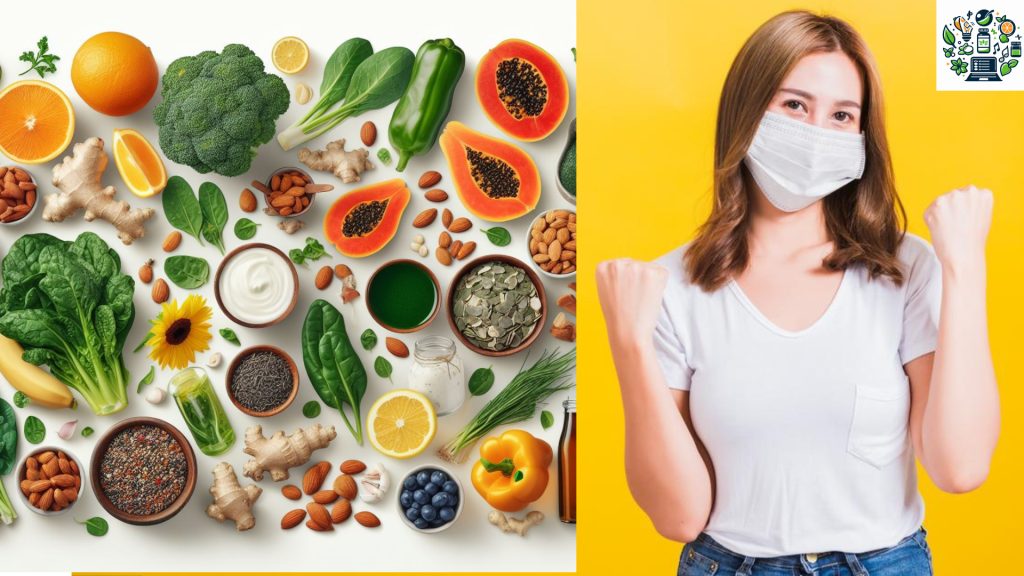
“A variety of foods rich in vitamins, minerals, and antioxidants that can help strengthen the immune system.”
Your immune system is your body’s defense against infections and diseases. It helps you fight off harmful germs and viruses that can make you sick. To keep your immune system strong, you need to eat a balanced and nutritious diet that provides you with enough vitamins, minerals, and antioxidants. These nutrients can help boost your immune health and protect you from common illnesses like colds and flu.
In this article, we will discuss some of the best foods to include in your diet to boost your immunity. We will also explain how these foods can benefit your immune system and give you some tips on how to prepare them.
Citrus Fruits
Citrus fruits are one of the most popular sources of vitamin C, a powerful antioxidant that helps your body produce more white blood cells. White blood cells are essential for fighting off infections and diseases. Vitamin C also helps your body heal faster from wounds and injuries.
Some of the common citrus fruits that you can enjoy are:
– Grapefruit
– Oranges
– Clementines
– Tangerines
– Lemons
– Limes
You can eat citrus fruits fresh, squeeze them into juices, or add them to salads and desserts. You can also use their zest and juice to flavor your dishes and sauces.
The recommended daily intake of vitamin C for most adults is 75 mg for women and 90 mg for men. One medium orange can provide you with about 70 mg of vitamin C, which is almost enough to meet your daily needs.
Red Bell Peppers
Red bell peppers are another excellent source of vitamin C, as well as beta-carotene. Beta-carotene is a type of carotenoid that your body converts into vitamin A, which helps keep your eyes and skin healthy.
Red bell peppers contain almost three times as much vitamin C as a Florida orange. One cup of chopped red bell peppers can provide you with 190 mg of vitamin C, which is more than double the recommended daily intake.
You can eat red bell peppers raw, cooked, roasted, or grilled. You can also add them to salads, soups, stir-fries, casseroles, and sandwiches.
Broccoli
Broccoli is a superfood that is packed with vitamins and minerals, such as vitamin A, vitamin C, vitamin E, folate, iron, potassium, and fiber. It also contains many antioxidants, such as sulforaphane, that can help reduce inflammation and oxidative stress in your body.
Broccoli is one of the healthiest vegetables you can eat, as it can support your immune system, as well as your digestive system, cardiovascular system, and nervous system.
To get the most benefits from broccoli, you should eat it raw or lightly cooked. Overcooking broccoli can destroy some of its nutrients and antioxidants. You can steam or microwave broccoli for a few minutes, or eat it raw with some hummus or dip.
Garlic
Garlic is a flavorful and aromatic herb that has been used for centuries for its medicinal properties. Garlic contains a compound called allicin, which has antibacterial, antiviral, antifungal, and anti-inflammatory effects. Garlic can help boost your immune system by stimulating the activity of natural killer cells and macrophages, which are types of white blood cells that destroy harmful pathogens.
Garlic can also help lower your blood pressure, cholesterol levels, and risk of heart disease.
You can use garlic to season your dishes and sauces, or eat it raw or cooked. You can also take garlic supplements or capsules if you prefer.
Ginger
Ginger is a spicy and warming root that has many health benefits. Ginger contains gingerol, a compound that has anti-inflammatory and antioxidant properties. Ginger can help ease nausea, vomiting, motion sickness, and morning sickness. It can also help soothe a sore throat and reduce coughing.
Ginger can also help lower your blood sugar levels, improve your digestion, and relieve pain.
You can use ginger to make tea, juice, smoothies, or soup. You can also add ginger to your dishes and desserts for a zesty flavor.
Spinach
Spinach is a leafy green vegetable that is rich in vitamin C,folate, iron, calcium, magnesium, and fiber. Spinach also contains several antioxidants that can protect your cells from damage and boost your immune function.
Spinach is one of the best sources of folate, a B vitamin that helps your body make new cells and repair DNA. Folate is especially important for pregnant women and people with anemia.
Spinach is also high in iron, which helps carry oxygen throughout your body and supports the production of red blood cells. Iron deficiency can weaken your immune system and make you more prone to infections.
You can eat spinach raw in salads or smoothies or cook it lightly in soups or sautés. You can also add spinach to your omelets, quiches, or lasagna.
Yogurt
Yogurt is a fermented dairy product that contains live cultures of beneficial bacteria, also known as probiotics. Probiotics can help balance your gut microbiome, which is the community of microorganisms that live in your digestive tract. Your gut microbiome plays a vital role in your immune system, as it helps regulate inflammation and protect you from harmful pathogens.
Yogurt can also provide you with protein, calcium, vitamin D, and vitamin B12. Protein is essential for building and repairing your tissues and cells. Calcium and vitamin D are important for your bone health and muscle function. Vitamin B12 is needed for your nerve and brain health and the production of red blood cells.
You can eat yogurt plain or with some fruit, granola, or honey. You can also use yogurt to make dips, dressings, or sauces. Look for yogurt that has the label “live and active cultures” to ensure that it contains probiotics.
Almonds
Almonds are a type of nut that are rich in vitamin E, magnesium, manganese, copper, and fiber. Vitamin E is a fat-soluble antioxidant that helps protect your cells from oxidative damage and supports your immune system. Vitamin E works together with vitamin C to enhance your immune response.
Almonds are also a good source of healthy fats, which can help lower your cholesterol levels and reduce inflammation. Healthy fats are also important for the absorption of fat-soluble vitamins like vitamin E.
You can eat almonds raw, roasted, or salted as a snack or add them to your salads, cereals, or baked goods. You can also make almond butter or almond milk from almonds.
Sunflower Seeds
Sunflower seeds are another type of seed that are high in vitamin E, as well as selenium, zinc, copper, and fiber. Selenium is a trace mineral that helps your body make glutathione, a powerful antioxidant that can boost your immune system and detoxify your body. Zinc is a mineral that helps your body produce and activate white blood cells and antibodies. Copper is a mineral that helps your body make red blood cells and collagen.
Sunflower seeds are also a good source of plant-based protein, which can help you build and maintain your muscles and tissues.
You can eat sunflower seeds raw or roasted as a snack or add them to your salads, yogurts, or granola bars. You can also use sunflower seed butter or oil as alternatives to peanut butter or vegetable oil.
Turmeric
Turmeric is a yellow-orange spice that is widely used in Indian cuisine and Ayurvedic medicine. Turmeric contains curcumin, a compound that has anti-inflammatory and antioxidant properties. Curcumin can help modulate your immune system by activating T-cells, B-cells, macrophages, and natural killer cells. Curcumin can also help inhibit the production of pro-inflammatory cytokines, which are molecules that can trigger inflammation and tissue damage.
Turmeric can also help improve your digestion, liver function, and brain health.
You can use turmeric to add colour and flavour to your dishes and sauces, such as curry, rice, soup, or tea. You can also take turmeric supplements or capsules if you prefer.
Green Tea
Green tea is one of the most consumed beverages in the world. Green tea contains catechins, which are antioxidants that can protect your cells from free radical damage and enhance your immune system. One of the most potent catechins in green tea is epigallocatechin gallate (EGCG), which has been shown to have anti-viral and anti-bacterial effects.
Green tea also contains L-theanine, an amino acid that can help calm your nerves and improve your mood. L-theanine can also increase the production of gamma-delta T-cells, which are a type of white blood cell that can fight infections.
You can drink green tea hot or cold throughout the day. You can also add some lemon juice or honey to enhance its flavor and benefits.
Papaya
Papaya is a tropical fruit that is rich in vitamin C, vitamin A, vitamin E, vitamin K, and folate. It also contains an enzyme called papain, which has anti-inflammatory properties and can aid in digestion. Papaya is a fantastic addition to your diet for immune support due to its high vitamin C content, which is essential for the production and function of white blood cells that defend your body against infections.
Enjoy papaya as a refreshing snack, blend it into smoothies, or add it to fruit salads. The combination of vitamins and enzymes in papaya makes it a tasty and immune-boosting choice.
Poultry
Poultry, such as chicken and turkey, is a valuable source of protein and essential nutrients like zinc and vitamin B6. Protein is necessary for the growth and repair of tissues, and it plays a critical role in the body’s immune response. Zinc helps the immune system function correctly, while vitamin B6 is involved in various biochemical reactions that support immune health.
Incorporate lean cuts of poultry into your meals by grilling, roasting, or baking. The combination of protein and immune-boosting nutrients makes poultry a versatile and healthy choice.
Shellfish
Shellfish, including oysters, crab, and mussels, are rich in zinc, a mineral that plays a vital role in immune function. Zinc helps white blood cells fight off infections and supports the body in producing antibodies. Consuming shellfish can be an effective way to boost your zinc intake and fortify your immune system.
Consider including shellfish in your diet as an occasional treat or a special meal. The zinc content makes shellfish a unique and flavorful option for immune support.
Berries
Berries like strawberries, blueberries, and raspberries are packed with vitamins, antioxidants, and fiber. They are particularly rich in vitamin C and other antioxidants that help protect your body’s cells from oxidative stress. These antioxidants can also bolster your immune system by enhancing the function of white blood cells.
Berries are versatile and can be enjoyed fresh, added to yogurt, blended into smoothies, or incorporated into desserts. Their natural sweetness and immune-boosting properties make them a delightful and nutritious choice.
Kiwi
Kiwi is a small but potent fruit loaded with vitamin C, vitamin K, vitamin E, and dietary fiber. Its high vitamin C content makes it an excellent addition to your diet for immune support. Kiwi provides a refreshing and tangy flavor while delivering a significant dose of antioxidants that help combat free radicals and enhance immune function.
Peel and slice kiwi for a quick snack, add it to fruit salads, or use it as a colorful garnish for various dishes. The combination of vitamins and fiber in kiwi makes it a nourishing choice for your immune system.
Dark Chocolate
Yes, you read that correctly—dark chocolate can be a part of your immune-boosting diet. Dark chocolate with a high cocoa content contains flavonoids, which are antioxidants that support immune function. These flavonoids can help regulate the inflammatory response in the body and protect against infections.
Indulge in dark chocolate in moderation, aiming for varieties with at least 70% cocoa content. Enjoy it as an occasional treat to satisfy your sweet tooth while reaping the immune-boosting benefits.
Water
While not a food, proper hydration is crucial for maintaining a healthy immune system. Water helps transport essential nutrients throughout your body, flush out toxins, and maintain the balance of bodily fluids. Dehydration can weaken your immune system, making it harder for your body to fend off infections.
Make a habit of drinking an adequate amount of water throughout the day. Staying hydrated is a simple yet effective way to support your overall health and immune function.
Additional Tips for a Strong Immune System
Incorporating immune-boosting foods into your diet is an excellent start, but there are other practices you can adopt to strengthen your immune system:
Maintain a Balanced Diet
In addition to the specific immune-boosting foods mentioned above, ensure that your overall diet is balanced and varied. A diverse diet provides your body with a wide range of nutrients, promoting optimal immune function.
Prioritize Sleep
Quality sleep is essential for a robust immune system. Aim for 7-9 hours of uninterrupted sleep each night to allow your body to rest, recover, and repair itself.
Manage Stress
Chronic stress can weaken your immune system over time. Practice stress-reduction techniques such as meditation, deep breathing, yoga, or mindfulness to keep stress levels in check.
Exercise Regularly
Engaging in regular physical activity supports immune health by promoting good circulation and reducing inflammation. Aim for at least 150 minutes of moderate-intensity exercise per week.
Stay Hygienic
Frequent handwashing, proper hygiene, and maintaining cleanliness in your surroundings can help reduce the risk of infection.
Stay Up to Date on Vaccinations
Vaccinations play a crucial role in preventing certain diseases and supporting herd immunity. Consult with your healthcare provider to ensure you are up to date on recommended vaccines.
Conclusion: Boost Your Immunity with a Nutrient-Rich Diet
Your immune system is your body’s first line of defense against infections and illnesses. By incorporating a variety of immune-boosting foods into your daily meals, you can provide your body with the essential vitamins, minerals, and antioxidants it needs to function at its best. From citrus fruits and leafy greens to nuts and dark chocolate, there are plenty of delicious options to choose from.
In addition to a nutrient-rich diet, remember to prioritize other aspects of a healthy lifestyle, such as sufficient sleep, stress management, regular exercise, and proper hygiene. These practices, combined with your dietary choices, will help fortify your immune system and keep you feeling your best.
Make the commitment to nourish your body with the right foods and lifestyle choices, and you’ll be better equipped to fend off illnesses, enjoy a higher quality of life, and embrace your overall well-being.
Don’t wait—start enhancing your immune system today with the power of nutritious foods and healthy habits. Your body will thank you with increased vitality and resilience against the challenges of life. Stay well, stay strong, and stay immune-boosted!
 VITAMINPRO
Leave a comment