
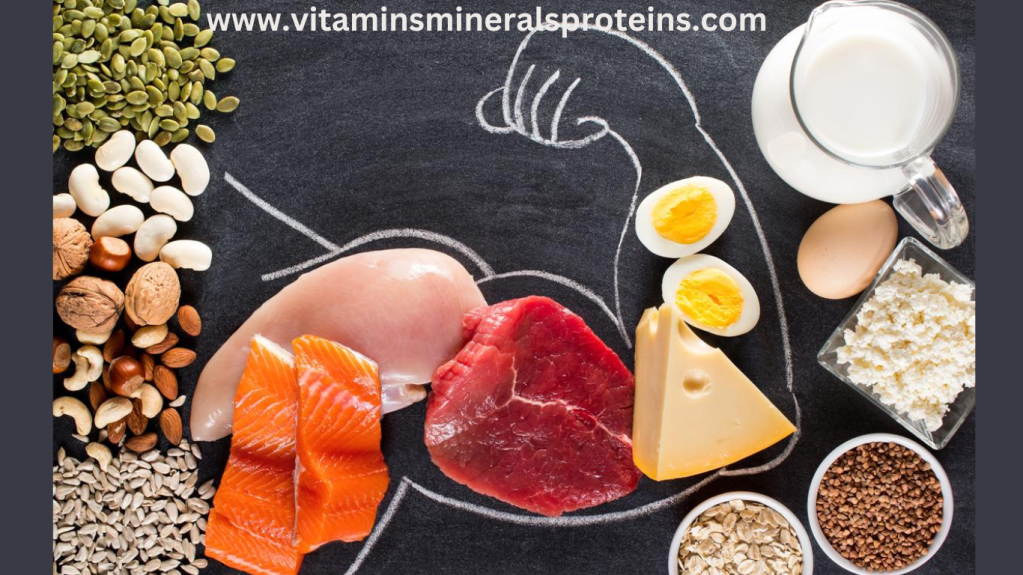
The connection between protein intake, muscle growth, and post-workout recovery.
Protein is one of the most important nutrients for anyone who exercises regularly. Whether you are lifting weights, running, cycling, or playing sports, protein can help you recover faster, build more muscle, and prevent fatigue. In this article, we will explore the connection between protein intake, muscle growth, and post-workout recovery. We will also provide practical tips and advice for the readers on how to optimize their protein consumption based on their goals and needs. Finally, we will update you with the latest research and guidelines from trusted health organizations on protein and exercise. We hope this article will provide you with a foundation for creating informative and engaging content in the context of health and nutrition.
What is Protein and Why is it Important?
Protein is a macronutrient that consists of amino acids, which are the building blocks of all living cells. Protein has many functions in the body, such as:
– Forming the structure of muscles, bones, skin, hair, nails, and other tissues
– Transporting oxygen, hormones, enzymes, and antibodies throughout the body
– Regulating metabolism, fluid balance, pH, and immune system
– Providing energy when carbohydrates and fats are not available
When you exercise, you cause microscopic damage to your muscle fibers. This is normal and necessary for muscle growth and adaptation.However, to repair this damage and build new muscle tissue, your body needs protein. Protein provides the amino acids that are essential for muscle protein synthesis (MPS), which is the process of creating new muscle proteins.
How Much Protein Do You Need After a Workout?
The amount of protein you need after a workout depends on several factors, such as:
– The type, intensity, and duration of your exercise
– Your body weight and lean body mass
– Your overall protein intake throughout the day
– Your age and health status
As a general rule, research has found that 0.4 to 0.5 grams of protein per kilogram of body weight (g/kg) is enough to maximize MPS after a workout. That’s about 10 to 30 grams of protein, depending on your body weight and the intensity and duration of your workout.
However, this amount may vary depending on your individual needs and goals. For example, if you are trying to gain muscle mass or strength, you may benefit from consuming more protein after a workout. Some studies have suggested that up to 0.8 g/kg of protein may be optimal for maximizing MPS in resistance-trained individuals.
On the other hand, if you are trying to lose weight or maintain your current weight, you may not need as much protein after a workout. Consuming too much protein may exceed your calorie needs and interfere with your weight loss efforts. Moreover, consuming more protein than your body can use may have negative effects on your kidney function, bone health, and hydration status.
Therefore, it is important to consider your overall protein intake throughout the day and not just focus on the post-workout window. The American College of Sports Medicine (ACSM) recommends that active adults consume 1.2 to 2.0 g/kg of protein per day to support their exercise performance and health. This means that you should distribute your protein intake evenly across your meals and snacks throughout the day.
What Type of Protein is Best After a Workout?
The type of protein you consume after a workout can also affect your muscle recovery and growth. Not all proteins are created equal; they differ in their amino acid profile, digestibility, absorption rate, and bioavailability.
Amino acids are classified into two categories: essential and non-essential. Essential amino acids (EAAs) are those that your body cannot produce on its own and must obtain from food. Non-essential amino acids (NEAAs) are those that your body can produce from other sources.
Among the EAAs, there is one that stands out for its role in MPS: leucine. Leucine is considered the key amino acid that triggers MPS by activating a molecular pathway called mTOR. Therefore, consuming enough leucine after a workout can enhance your muscle recovery and growth.
The amount of leucine needed to stimulate MPS after a workout is estimated to be around 2 to 3 grams. However, this does not mean that you should only focus on leucine; you still need all the other EAAs to support MPS. Therefore, the best type of protein after a workout is one that contains a high proportion of EAAs and leucine.
Some examples of high-quality proteins that meet these criteria are:
– Whey protein: Whey is a fast-digesting protein derived from milk that contains all nine EAAs and has a high leucine content (about 10% by weight). Whey protein has been shown to stimulate MPS more than other types of protein after resistance exercise. Whey protein is also rich in other bioactive compounds that may have anti-inflammatory, antioxidant, and immune-boosting effects.
– Casein protein: Casein is a different type of milk protein that has all nine EAAs and a comparatively low amount of leucine (only 8% by weight). A protein called casein is slow to digest and forms a gel in the stomach where it slowly releases amino acids over the course of several hours. This can give the muscles a steady supply of amino acids and stop muscular breakdown. Blood pressure, dental health and hunger control may all benefit from casein protein.
– Soy protein: Soy is a plant-based protein that is high in leucine (approximately 8% by weight) and contains all nine EAAs. Fast-digesting soy protein has been found to increase MPS following resistance training in a manner similar to whey protein. Additionally, soy protein may benefit blood pressure, cholesterol, and bone health.
– Other plant-based proteins: Other plant-based proteins may not include all nine EAAs or have a high leucine concentration. Examples include pea, rice, hemp, and quinoa. If they are paired with other complimentary proteins to offer a complete amino acid profile, they can still aid in muscle regeneration and growth.For example, combining rice and pea protein can provide a similar effect to whey protein on MPS after resistance exercise. Plant-based proteins may also have other health benefits, such as providing fiber, antioxidants, and phytochemicals.
How to Optimize Your Post-Workout Protein Consumption To get the most out of your post-workout protein consumption, here are some practical tips and advice:
– Consume your protein within two hours after your workout. This is the optimal window to stimulate MPS and replenish your muscle glycogen stores.
– Pair your protein with carbohydrates. Carbohydrates can enhance the effect of protein on MPS by increasing insulin levels, which can further activate the mTOR pathway. Carbohydrates can also help restore your muscle glycogen levels, which can improve your performance and recovery in subsequent workouts. A ratio of 3:1 or 4:1 of carbohydrates to protein is recommended for optimal recovery.
– Choose a high-quality protein source that contains all nine EAAs and at least 2 to 3 grams of leucine. As mentioned above, whey, casein, soy, and other plant-based proteins can be good options depending on your preferences and availability.
– Drink enough liquid to maintain your hydration. Dehydration reduces blood flow, oxygen delivery, nutrition transfer, and waste clearance, which can harm your muscles’ ability to recover and function. Before, during, and after your workout, consume water or an electrolyte-containing beverage to avoid becoming dehydrated and to replace any lost fluids.
– Speak with a medical expert for recommendations and individualized advice. Depending on your unique circumstances, like your age, weight, health status, degree of activity, and goals, you may require a different amount and kind of protein after working out. Based on your dietary preferences and needs, a healthcare professional can assist you in determining your ideal protein intake and recommend suitable sources.
Conclusion
For the development of muscle and post-workout recuperation, protein is a crucial food. After a workout, eating a sufficient amount of protein can aid in muscle recovery, promote the creation of new muscle, avoid fatigue, increase metabolism, and assist weight loss goals. Selecting a high-quality protein source with all nine EAAs and at least 2 to 3 grams of leucine will help you get the most protein after your workout. Adding carbohydrates to your protein can help it have a greater impact on MPS and replenish your muscles’ glycogen stores. Additionally, you should eat protein within two hours after doing exercise and take enough liquid to be hydrated.Finally, you should speak with a healthcare expert to receive individualized suggestions and counsel based on your particular circumstances.
We hope this article on the importance of protein in muscle growth and recovery has provided you with some useful information and insights. Please don’t hesitate to get in touch with us if you have any queries or comments. We’d be thrilled to hear from you!
References**
[1] Jäger R., Kerksick C.M., Campbell B.I., et al. International Society of Sports Nutrition Position Stand: Protein and Exercise. Journal of the International Society of Sports Nutrition. 2017;14:20.
[2] Witard O.C., Jackman S.R., Breen L., et al. Myofibrillar muscle protein synthesis rates subsequent to a meal in response to increasing doses of whey protein at rest and after resistance exercise. The American Journal of Clinical Nutrition. 2014;99(1):86–95.
[3] Martin W.F., Armstrong L.E., Rodriguez N.R. Dietary Protein Intake And Renal Function. Nutrition & Metabolism. 2005;2:25.
 VITAMINPRO
Leave a comment